
How two currencies form one tradable asset
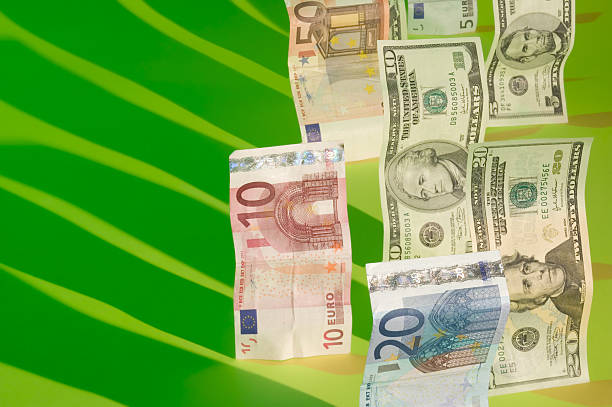
In the foreign exchange market, you do not buy or sell a single currency in isolation. Instead, every trade involves the simultaneous purchase of one currency and the sale of another. This pairing is the foundational unit of forex trading, and understanding how two distinct national monies combine to form a single tradable asset is essential for anyone seeking advanced knowledge of this market. The asset is called a currency pair, and its price reflects the exchange rate between two economies.
At its core, a currency pair quotes the value of one currency in terms of another. The first currency listed is the base currency, and the second is the quote currency. When you see EUR/USD quoted at 1.1050, it means that one euro is worth 1.1050 U.S. dollars. The base currency is the asset you are buying or selling, while the quote currency is the countervalue you use to complete the transaction. If you believe the euro will strengthen against the dollar, you buy the pair, effectively purchasing euros and selling dollars. If you believe the euro will weaken, you sell the pair, selling euros and buying dollars. This dynamic is the mechanical heart of every forex trade.
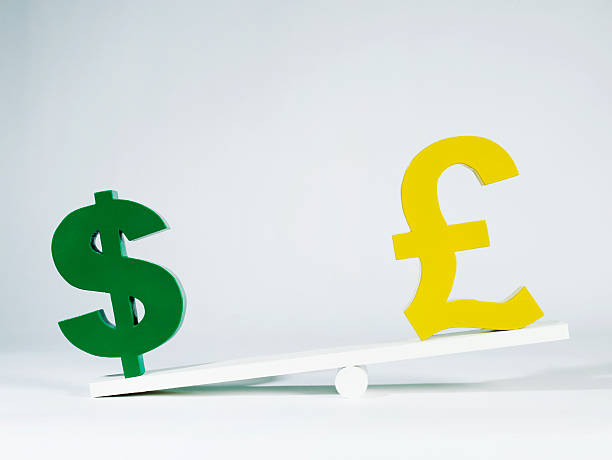
The reason two currencies must be paired is that currency is always relative. No currency has intrinsic value in isolation; its worth is determined by comparison with another. The forex market is a global auction where participants constantly evaluate the relative strength of every economy. Macroeconomic factors such as interest rates, inflation, gross domestic product growth, and political stability influence these comparisons. When the U.S. Federal Reserve raises interest rates, the dollar may appreciate against currencies from countries with lower rates. Traders track these differentials because they directly impact the attractiveness of holding one currency versus another.
Each currency pair has distinct characteristics that affect its behavior as a tradable asset. Major pairs, such as EUR/USD, USD/JPY, and GBP/USD, involve the U.S. dollar paired with currencies from major industrialized economies. They offer the tightest spreads and highest liquidity because they are traded most heavily by banks, institutions, and retail traders worldwide. Cross pairs, such as EUR/GBP or AUD/JPY, exclude the dollar and often have wider spreads and more volatile price action. Exotic pairs, like USD/TRY or EUR/TRY, pair a major currency with one from an emerging economy. They carry higher risk due to lower liquidity and greater sensitivity to local political events.
The mechanics of how two currencies form one tradable asset also involve understanding pip values and position sizing. A pip is the smallest standardized price movement in a currency pair, typically the fourth decimal place for most pairs. For example, if EUR/USD moves from 1.1050 to 1.1051, that is a one-pip increase. The monetary value of each pip depends on your position size and the exchange rate. Trading a standard lot of 100,000 units of base currency means each pip in EUR/USD translates to approximately ten dollars. This direct relationship between price movement and profit or loss is why even small changes in exchange rates can produce significant gains or losses when leverage is applied.
Leverage is a critical component of how two currencies form a single asset because it allows traders to control larger positions with relatively small capital. Brokers offer leverage ratios such as 50:1 or 100:1, meaning you can control 50,000 or 100,000 units of base currency with a margin deposit of only 1,000 dollars. While leverage magnifies potential profits, it equally magnifies losses. A one percent move against your position can wipe out your entire margin if you are fully leveraged. Advanced traders use leverage sparingly and always calculate the notional value of their positions relative to their account equity.
The spread is the cost of entering and exiting the pair. It is the difference between the bid price, which you receive when selling, and the ask price, which you pay when buying. Brokers make money by widening this spread slightly. For major pairs, the spread may be as low as one or two pips during active trading hours. For exotic pairs, it can be ten to twenty times wider. This cost is inherent in every trade and must be factored into your strategy. Scalpers who make dozens of trades per day are especially sensitive to spread costs, while swing traders who hold positions for days or weeks are less affected.
Ultimately, the act of trading a currency pair is a bet on the relative performance of two economies over a specific time horizon. You are not buying a physical asset; you are speculating on the directional movement of an exchange rate. The mechanics are straightforward: choose a base currency, decide whether it will strengthen or weaken against the quote currency, enter the trade, monitor the spread and leverage, and exit when your analysis is confirmed or invalidated. Mastery comes from understanding how each pair’s liquidity, volatility, and correlation with other markets affect its price behavior. Treat every pair as a unique instrument with its own personality, and you will move beyond basic knowledge toward the advanced insight required to trade profitably and safely.