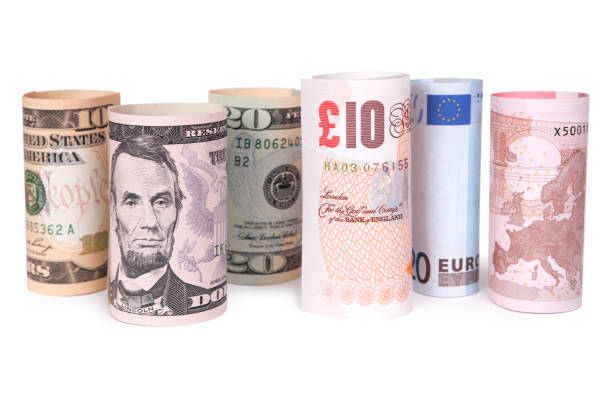

How Two Currencies Form One Tradable Asset in Forex Trading
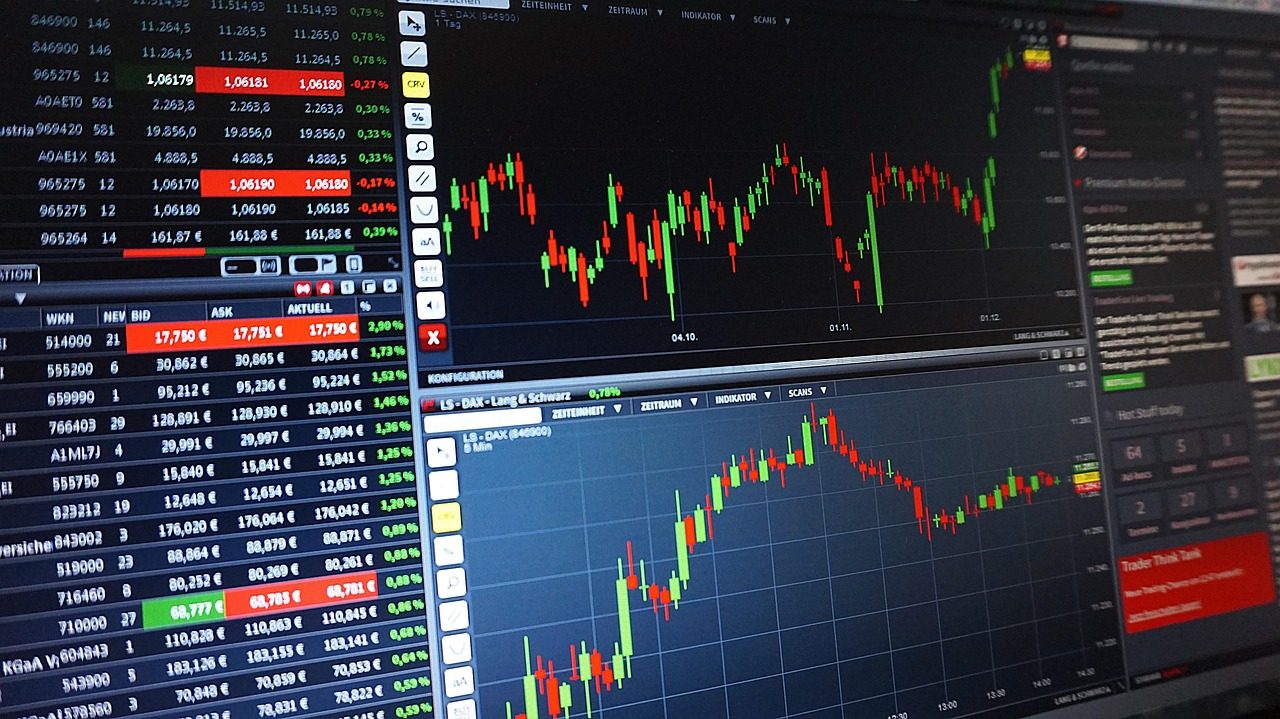
A currency pair is not two separate instruments. It is one tradable asset whose price is the relative value of one currency against another. When you buy EUR/USD you are not buying euros and selling dollars; you are taking a single position in the euro-dollar exchange rate. The pair’s quote tells you how many units of the quote currency are required to buy one unit of the base currency. In EUR/USD the euro is the base currency and the U.S. dollar is the quote currency. A price of 1.0850 means one euro costs 1.0850 dollars. The pair is therefore a ratio and the trader owns exposure to that ratio not to either currency in isolation.
This construction has practical consequences. Every long position in a pair is simultaneously a short position in the quote currency. Buying GBP/JPY means buying pounds and selling yen. Selling GBP/JPY means selling pounds and buying yen. The trader cannot be long both currencies in the same pair because the pair expresses a relative price. That is why a bullish view on the euro alone is incomplete: the trader must also have a view or at least acceptance of the dollar side. If the euro strengthens against the dollar EUR/USD rises. If both currencies strengthen against a third currency EUR/USD may still fall if the dollar strengthens more. The pair filters two national stories into one price.
The exchange rate is set by continuous two-way competition among market participants. Banks brokers funds corporates and automated systems quote bid and ask prices. The bid is the price at which the market will buy the base currency; the ask is the price at which it will sell the base currency. The difference is the spread a transaction cost and measure of immediate liquidity. A tight spread in EUR/USD suggests deep liquidity; a wide spread in an exotic pair suggests thinner trading and higher risk. The quoted price is not an abstract number. It is the current marginal rate at which one currency can be exchanged for another for settlement subject to credit timing and venue.
Pips and lot sizes convert the pair’s movement into money. For most pairs a pip is the fourth decimal place; for yen pairs it is the second decimal place. A standard lot is 100,000 units of the base currency. If EUR/USD moves one pip a standard lot changes value by about ten dollars. The exact calculation depends on the quote currency and account currency. This is why the same pip movement can produce different profit and loss across pairs. The pair defines the exposure; position size and account denomination translate that exposure into cash. Leverage magnifies both but does not change the underlying mechanics: the trader is financing a position in a relative price.
Currency pairs also have a hierarchy. Majors include the most liquid pairs usually involving the U.S. dollar such as EUR/USD USD/JPY and GBP/USD. Crosses exclude the dollar such as EUR/GBP or AUD/JPY. Exotics combine a major currency with a smaller or emerging-market currency. Liquidity spread volatility and gap risk differ across these groups. A cross is not a synthetic mystery; it is a tradable relative price but its pricing can be influenced by the dollar legs through related markets. Arbitrage keeps crosses aligned with their implied rates though temporary deviations appear in fast markets.
Execution turns the pair into a tradable asset through orders margin and settlement. A market order takes available price; a limit order specifies price; a stop order activates when a trigger is reached. Margin is collateral not down payment on ownership. Most retail forex positions are rolled rather than physically settled with financing adjustments applied for the interest-rate differential between the two currencies. That carry can help or hurt a position but is secondary to price movement. The trader should know the contract the spread the financing and the settlement conventions before treating any pair as simple chart.
The essential point is that two currencies form one asset because the market quotes them as a single exchange rate. The trader is not collecting currencies; the trader is trading the relationship between them. That relationship has a base a quote a bid an ask a pip value and a liquidity profile. Once those mechanics are clear the pair becomes what it actually is: a precise leveraged expression of relative value.