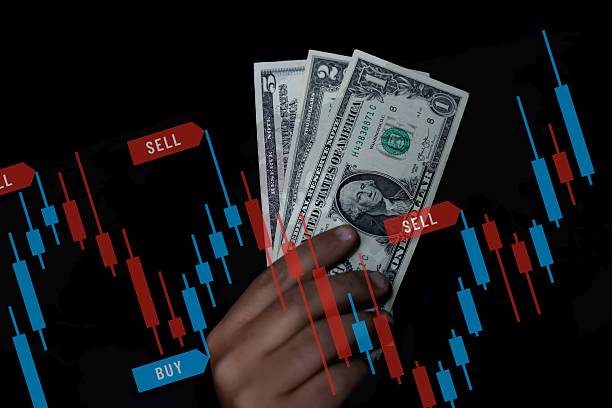
Practice with demo before using high leverage
The allure of leverage in forex trading is almost intoxicating. It promises the ability to control a $100,000 position with only $1,000 of your own capital, magnifying every pip of movement into significant gains. Yet, for the casual and moderately active investor, this same tool is the single fastest path to account destruction. The difference between using leverage as a strategic instrument versus a gambling chip lies entirely in the psychology of restraint, and there is no better way to build that restraint than by practicing with a demo account before ever placing a live trade with high leverage.
Many traders skip the demo phase, convinced that their intellectual understanding of margin mechanics is sufficient. This is a dangerous miscalculation. Margin trading is not an intellectual exercise; it is an emotional one. When real money is at stake, the brain’s amygdala hijacks the prefrontal cortex, and rational decision-making collapses. A demo account provides the only safe environment to confront this psychological reality without paying for the lesson. It allows you to simulate the pressure of high leverage—where a single adverse move can trigger a margin call—while the cost of your mistakes is measured in virtual currency rather than actual savings.
The core psychological benefit of demo practice is desensitization. When you first trade with 50:1 leverage, a 1% market move can double your account or wipe it out. The adrenaline spike is real, even in a simulated environment. By repeatedly experiencing these sharp drawdowns and recoveries in demo mode, you train your nervous system to remain calm. You learn that a losing trade, even with high leverage, is not an existential crisis. This emotional conditioning is vital because the number one reason traders blow accounts is not poor analysis but panic exits, revenge trading, and moving stop losses after the position has already turned against them.
Furthermore, demo practice reveals a hidden aspect of leverage: its effect on your decision-making clock. In a low-leverage or unleveraged cash account, you have the luxury of time. You can wait for price to come back. With high leverage, time is your enemy. A 2% adverse move on a 30:1 leveraged position is a 60% loss of your equity. Demo trading forces you to internalize this speed. You must learn to enter with a clear plan, set tight stops, and exit immediately when your parameters are violated. There is no room for hope. The realistic feedback loop of a demo account, where you must click the mouse under simulated time pressure, ingrains this discipline far more effectively than reading a textbook.
Another critical lesson from demo trading is the precise calculation of margin usage. Beginners often misunderstand how margin works in practice. They see available margin in their platform and mistake it for buying power. In reality, available margin is a floating warning light. When your equity falls below the required margin, your broker will close your positions, often at the worst possible price. A demo account lets you test this limit. You can intentionally overtrade with high leverage to see exactly where the broker’s automatic liquidation kicks in. This visceral experience—watching a virtual account go to zero because of excessive margin usage—is far more memorable than any theoretical warning about risk management.
The psychological trap of overconfidence is also neutralized through disciplined demo practice. Many traders who jump straight into live high-leverage trading do so after a few winning trades on small capital. They attribute success to skill when it was merely a favorable market movement. A demo account, used correctly, should be a place to fail. Trade aggressively with high leverage. Take the trades that you would be afraid to take with real money. When you lose—and you will—analyze the emotional sequence that led to the loss. Did you increase position size after a win? Did you double down after a loss? These patterns are the true enemies of profitability, and demo practice is the only safe arena to identify and break them.
For the moderate investor aiming to graduate from casual trading to consistent profitability, the transition from demo to live must be gradual. After months of demo success, start with low leverage in a live account. A leverage ratio of 5:1 or 10:1 is ample for most retail strategies. Only after you have proven you can handle the psychological weight of real money should you consider the higher ratios that brokers advertise. The demo account is not a step to be skipped; it is the laboratory where you build the psychological muscle to withstand the emotional storms that high leverage will inevitably create.
Ultimately, the difference between a trader who uses leverage wisely and one who is destroyed by it is not intelligence or market knowledge. It is the humility to practice before committing. The demo account is your private simulator, free to use, infinitely forgiving, and brutally honest about your psychological readiness. Use it relentlessly. The market will not wait for you to learn your own limits. It will teach you in real time, with real consequences. The only rational choice is to learn those limits first, in the safety of a virtual environment, so that when you finally apply leverage with real capital, you do so with a calm, seasoned mind that understands exactly what it is risking and why.