
Higher rates attract foreign capital
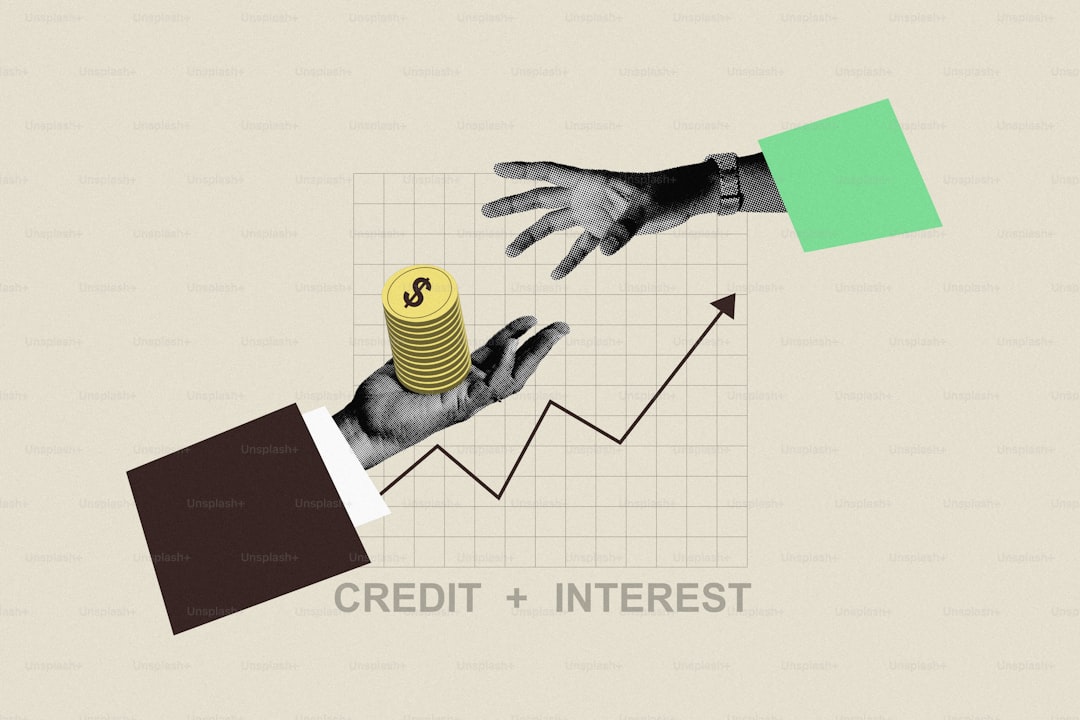
In the foreign exchange market, few dynamics are as reliable and impactful as the relationship between interest rates and capital flows. When a central bank raises its policy rate, it does not merely affect domestic borrowing costs. It sends a signal to global investors that holding that currency’s denominated assets will yield a higher return. This mechanism—higher rates attracting foreign capital—is a cornerstone of exchange rate determination and a critical concept for anyone trading currencies on platforms like ForexTrades.net.
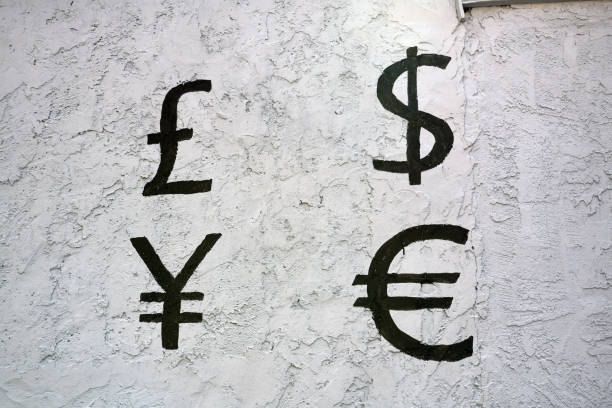
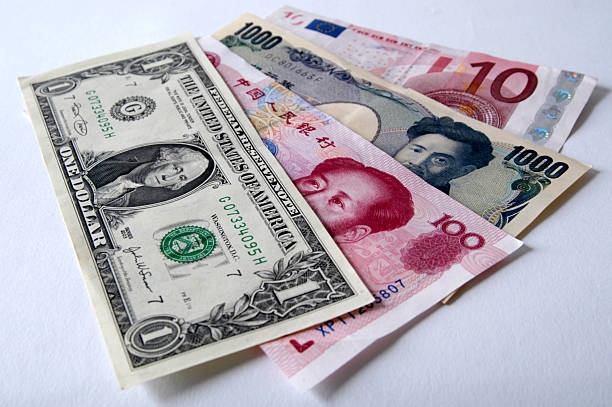
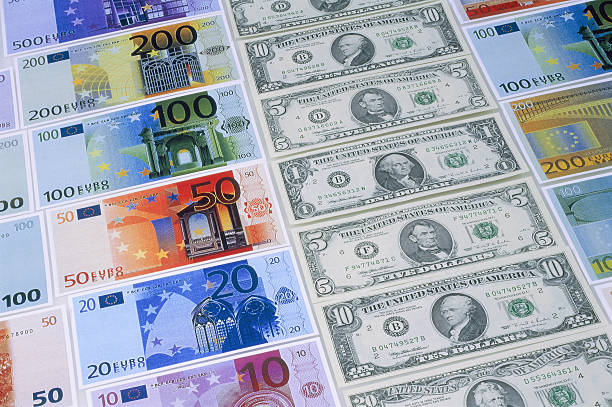
To understand why this works, you must first grasp the basic logic of yield-seeking behavior. International investors constantly compare the risk-adjusted returns available across different currencies. If the U.S. Federal Reserve raises the federal funds rate to 5.5% while the European Central Bank holds at 4%, a Japanese institutional investor holding euros might shift capital into U.S. Treasury bills to capture the additional 1.5% yield. This is not speculative gambling; it is rational portfolio allocation. The investor sells euros or yen to buy dollars, creating demand for the dollar in the spot market. As demand rises, the dollar appreciates relative to the euro and yen.
This appreciation is not linear or immediate. Markets often anticipate rate moves weeks or months before the actual announcement. When a central bank signals hawkish guidance—suggesting future rate hikes are likely—foreign capital begins flowing in ahead of the official change. The currency strengthens on expectation alone. Conversely, a surprise rate cut or dovish forward guidance can trigger rapid capital outflows, causing the currency to depreciate sharply. Advanced traders monitor central bank meeting minutes, economic projections, and speeches from governors to position themselves before the herd.
However, the relationship is not a simple one-to-one correlation. Higher nominal interest rates may attract capital initially, but if inflation in that country is also high, the real interest rate—the nominal rate minus inflation—may be low or negative. A nominal rate of 8% in an economy with 7% inflation offers a real return of just 1%. Compare that to a nominal rate of 4% in an economy with 1% inflation, which yields a real return of 3%. The latter is more attractive to sophisticated foreign investors. Therefore, the metric that truly matters for exchange rate influence is the real interest rate differential between two countries. When a central bank raises rates while inflation remains anchored, the real rate rises, and foreign capital floods in. But if the hike is merely chasing runaway inflation, the currency may actually weaken over time as investors price in future erosion of purchasing power.
Another nuance involves carry trades. In the FX market, traders borrow a low-yielding currency (like the Japanese yen) to fund purchases of a high-yielding currency (like the Australian dollar). A rate hike in the high-yield country widens the interest differential, making the carry trade more lucrative. This amplifies demand for the high-yielding currency and accelerates its appreciation. However, carry trades are vulnerable to sudden reversals. If the high-yielding country’s central bank cuts rates or economic data deteriorates, traders unwind their positions, selling the currency en masse. This can lead to rapid, violent depreciation that overshoots fundamental values.
Central bank credibility also plays a decisive role. A rate hike from a central bank with a strong inflation-fighting reputation—like the Federal Reserve, the Swiss National Bank, or the Reserve Bank of New Zealand—attracts more foreign capital than an identical hike from a central bank with a history of policy reversals or political interference. Investors trust that the rate will remain high long enough to protect their real returns. If the market doubts the central bank’s commitment, the currency may not strengthen as expected. This is why emerging market central banks often must raise rates far more aggressively than developed market peers to achieve the same exchange rate effect.
Lastly, traders must consider the global context. When major central banks like the Fed or European Central Bank all raise rates simultaneously, the competitive advantage of any single currency diminishes. Foreign capital flows become more sensitive to subtle differences in forward guidance and economic outlooks. But when one central bank diverges—raising while others hold or cut—that currency experiences outsized appreciation pressure. This divergence trade is one of the most profitable strategies for experienced forex investors.
Understanding how higher rates attract foreign capital is not academic theory. It is a practical, actionable driver of daily price movement in pairs like EUR/USD, USD/JPY, and GBP/AUD. The seasoned trader watches interest rate decisions not for the headline number alone, but for the real yield, the credibility of the central bank, and the global divergence landscape. Master this, and you move beyond guesswork into informed, strategic currency trading.