
USD is primary safe-haven asset
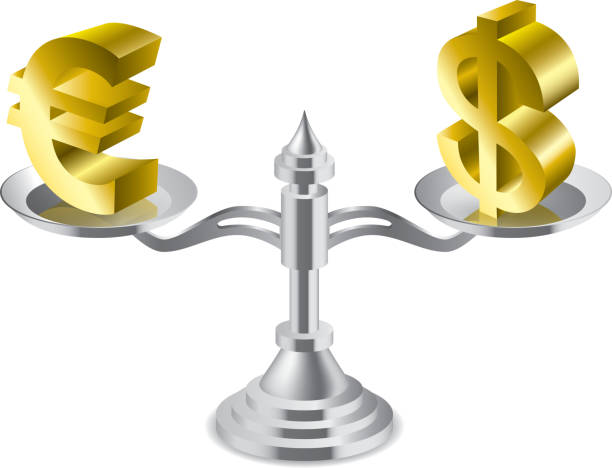
In the foreign exchange markets, few concepts are as consistently reliable as the U.S. dollar’s role as the world’s primary safe-haven asset. When geopolitical tensions flare, when equity markets tumble, or when global growth fears intensify, capital flows overwhelmingly into the dollar. Understanding why the USD holds this status and, more crucially, what factors drive its exchange rate movements is essential for any trader navigating the safe-haven and risk-on currency dynamics. This is not about simple supply and demand; it is about the structural underpinnings of global finance.
The dollar’s safe-haven status is rooted in the depth, liquidity, and perceived stability of the U.S. economy and its financial system. The United States issues the world’s primary reserve currency, held by central banks and institutions globally. U.S. Treasury bonds are considered the risk-free asset against which virtually all other assets are priced. When fear dominates, investors sell riskier assets—emerging market currencies, commodities, equities—and buy dollars and dollar-denominated debt. This reflexive flow makes the USD the default hedge, a position that is self-reinforcing. But what fundamental forces actually shift the dollar’s exchange rate relative to other major currencies like the euro, yen, or Swiss franc?
The most immediate factor is relative interest rate expectations. Exchange rates are driven by capital flows seeking yield. When the Federal Reserve raises interest rates or signals a hawkish stance, the return on holding dollar-denominated assets increases relative to other currencies. This attracts foreign capital, boosting demand for the dollar. Conversely, when the Fed cuts rates or signals dovishness, the yield advantage narrows, and the dollar tends to weaken. The market does not react to the rate itself but to the expectation of future rate differentials. A surprisingly strong U.S. employment report, for instance, can instantly reprice the dollar higher as traders anticipate the Fed will keep rates higher for longer. In a safe-haven context, the dollar’s yield advantage is amplified; during times of stress, investors will accept lower yields on safe assets, but having a higher yield on that safe asset only reinforces its attractiveness.
A second critical driver is the relative health of the U.S. economy compared to other major economies. The dollar strengthens when the U.S. economy outpaces its peers. This is measured through data releases on GDP growth, manufacturing activity, retail sales, and especially employment. A robust U.S. economy supports higher yields, attracts capital, and reinforces the perception that the U.S. can weather global storms better than others. Conversely, if the eurozone or Japan shows stronger growth momentum, capital may rotate away from the dollar, weakening its safe-haven premium. The key here is relative performance, not absolute. A U.S. recession will hurt the dollar, but if the rest of the world is in a deeper recession, the dollar may still rally as the cleanest shirt in a dirty laundry pile.
Third, geopolitical risk and global risk appetite directly drive safe-haven flows into the USD. During the Russia-Ukraine conflict, the dollar surged not because the U.S. was directly involved in the fighting but because investors fled risk. The Swiss franc and Japanese yen also benefit as safe havens, but the dollar’s sheer market depth makes it the primary beneficiary. Events like trade wars, military conflicts, or sovereign debt crises in the eurozone trigger a pivot to the dollar. Traders must distinguish between localized risk and systemic risk. A regional conflict in an area not tied to global supply chains may only cause modest dollar buying; a crisis threatening global financial stability, such as a banking collapse, causes a massive rush into the USD.
Inflation differentials also play a role, though with nuance. Higher U.S. inflation erodes purchasing power and can weaken the dollar over time. However, if U.S. inflation is driven by strong demand and the Fed responds aggressively with rate hikes, the short-term impact is often dollar strength. The real issue is inflation differentials and central bank credibility. The U.S. Federal Reserve is seen as the most credible major central bank in managing inflation. If the European Central Bank or Bank of Japan appears behind the curve, the dollar strengthens as investors believe the Fed will maintain tighter monetary policy longer.
Finally, technical factors cannot be ignored. The dollar is involved in nearly 90% of all forex transactions. This means that large institutional flows—corporate repatriations, central bank reserve adjustments, hedge fund positioning—can amplify moves. The dollar tends to rally into year-end as global corporations repatriate profits. Similarly, a sudden unwinding of carry trades, where investors borrow low-yielding currencies like the yen to buy higher-yielding assets, often results in a scramble back into the dollar.
For traders on ForexTrades.net, the takeaway is straightforward: the dollar’s safe-haven status is not a static given but a dynamic function of interest rate expectations, relative economic performance, global risk sentiment, and central bank credibility. When you see a risk-off event, immediately assess whether the Fed is hawkish or dovish relative to other central banks. If the Fed is tightening while others are easing, the dollar rally will be sharper and longer. If the Fed is also cutting, the dollar may still rise, but only modestly. No other currency offers the combination of liquidity, depth, and perceived safety that the USD does. Therefore, your trading strategy in risk-on versus risk-off environments must always start with the dollar.