
Base Currency: The Foundation of Every Forex Pair
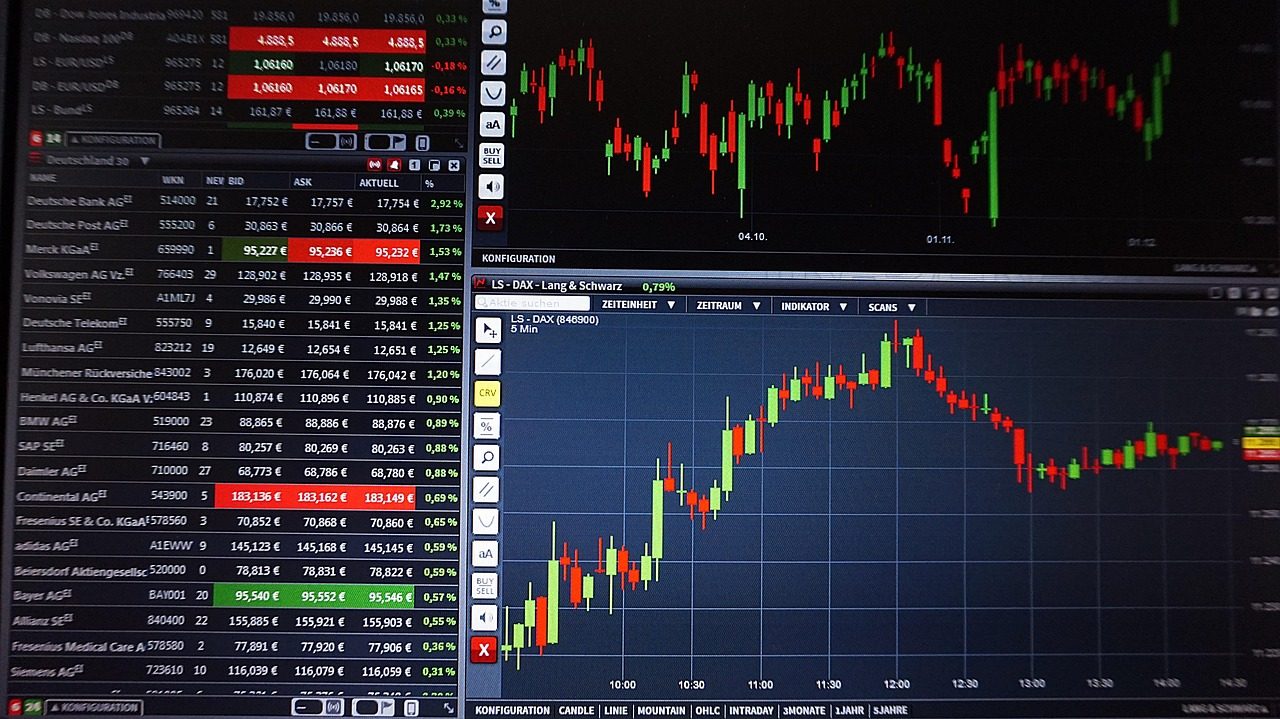
The base currency is the first currency listed in a forex pair and the currency against which the second currency is quoted. In EUR/USD, EUR is the base; in USD/JPY, USD is the base. That position is not cosmetic. It defines the unit of account for the quoted price, determines what a trader is buying or selling, and controls how profits, losses, pip values, and position sizing are calculated. Buying EUR/USD means buying euros and selling dollars; the rate tells how many dollars are required to purchase one euro. Selling EUR/USD means selling euros and buying dollars. The base currency is therefore the asset being traded, while the quote currency prices that asset.
Forex prices are expressed as one unit of base currency per variable units of quote currency. EUR/USD at 1.0850 means one euro costs 1.0850 U.S. dollars. USD/JPY at 150.00 means one U.S. dollar costs 150 Japanese yen. The base currency remains fixed at one unit in the quotation; the quote currency fluctuates to reflect relative value. This makes the pair’s direction intuitive. A rising price means the base currency is strengthening against the quote currency. A falling price means it is weakening. Traders who understand this avoid assuming a rising USD/JPY chart means the yen is strengthening. In USD/JPY, dollar strength pushes the pair higher; yen strength pushes it lower. In EUR/USD, the opposite holds because the dollar is the quote currency.
The base currency also determines the trade’s exposure. A long position in GBP/USD is long sterling and short dollars. A short position is short sterling and long dollars. Profit and loss is generated by changes in relative value, but the base currency defines the primary exposure. Professional traders often describe a position as “long euro” or “short yen” rather than merely “long EUR/USD” or “short USD/JPY.“ The quotation is a ratio, but the trade is an exchange of one currency for another. The base currency is the numerator and the currency whose units the trader effectively holds or owes.
Currency conventions are not arbitrary. Market structure and liquidity have established standard bases. The euro, pound, Australian dollar, and New Zealand dollar are usually quoted against the U.S. dollar: EUR/USD, GBP/USD, AUD/USD, NZD/USD. The U.S. dollar is usually the base against the yen, Swiss franc, and Canadian dollar: USD/JPY, USD/CHF, USD/CAD. These conventions affect correlation and risk. When the dollar is the base, a rising pair generally reflects dollar strength. When the dollar is the quote currency, a rising pair generally reflects dollar weakness. Mixing interpretations can distort macro analysis and hedging.
The base currency also shapes pip value and position sizing. A pip is a standardized move in the exchange rate, but its monetary value depends on the pair, the account currency, and the base currency. For a standard lot, the calculation measures the pip movement in the quote currency and converts it into the account currency. If the account is in U.S. dollars and the pair is EUR/USD, the quote currency is already dollars, simplifying the calculation. If the pair is USD/JPY, the pip value is expressed in yen and must be converted into dollars at the prevailing USD/JPY rate. Traders who ignore the base-quote structure can misjudge risk, especially in crosses such as EUR/GBP or AUD/NZD, where neither currency is the account currency.
In cross pairs, the base currency still anchors the quotation, but the absence of the U.S. dollar changes the flow. EUR/GBP at 0.8500 means one euro costs 0.8500 pounds. A trader buying EUR/GBP is expressing a view on euro strength relative to sterling, not on either currency against the dollar. Dollar liquidity can still influence both legs. The base currency identifies which leg is bought and which is sold, while the quote currency identifies the pricing denominator. This distinction matters in carry trades, hedging, and relative-value strategies, where traders may be long one base currency against several quote currencies.
The base currency is therefore more than a label at the front of a symbol. It is the unit being priced, the asset being bought or sold, and the reference point for interpreting direction, exposure, pip value, and risk. Traders who master the base-quote convention can read quotes accurately, size positions correctly, and avoid costly misinterpretations. Every pair begins with the base currency because every forex transaction begins with what is bought and what is paid.