
Forex trading explained for complete beginners
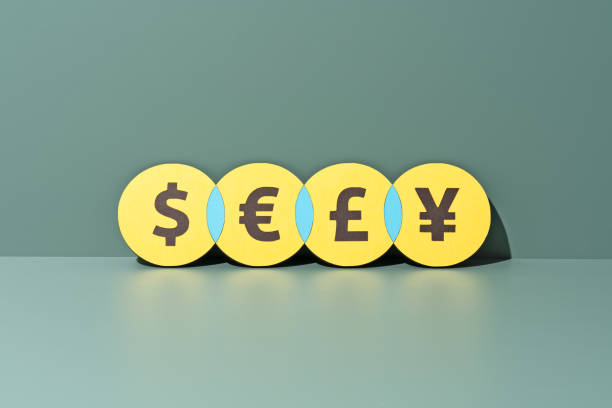
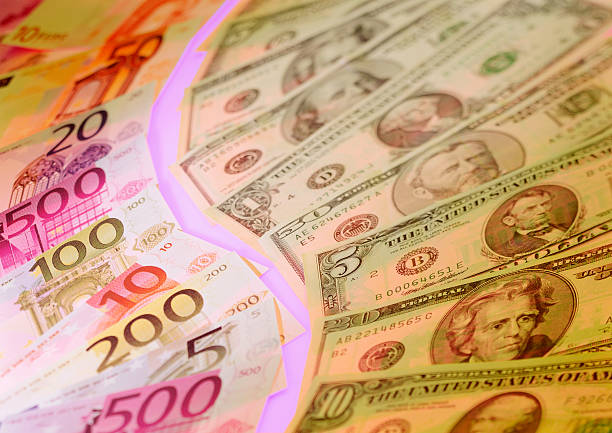
Forex trading, short for foreign exchange trading, is the act of buying one currency while simultaneously selling another. This market is the largest and most liquid financial market in the world, with a daily trading volume exceeding six trillion dollars. For beginners, grasping the fundamentals of how forex works is the first step toward participating in a market that operates 24 hours a day, five days a week, connecting banks, institutions, corporations, and individual traders across the globe.
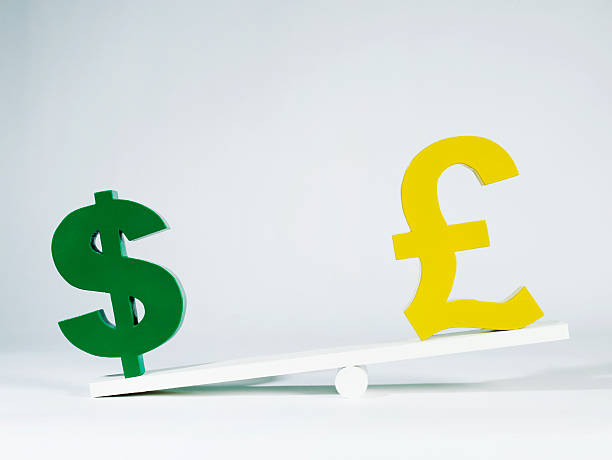
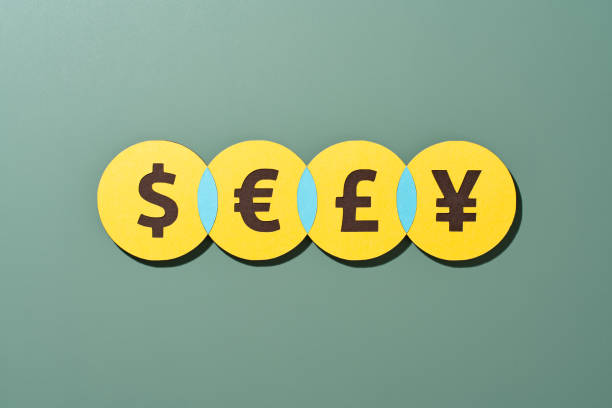
At its core, forex trading relies on currency pairs. Every transaction involves two currencies: the base currency and the quote currency. When you buy a currency pair, you are buying the base currency and selling the quote currency. The exchange rate tells you how much of the quote currency is needed to purchase one unit of the base currency. For example, in the pair EUR/USD, the euro is the base and the U.S. dollar is the quote. If the rate is 1.10, it means one euro can be exchanged for 1.10 U.S. dollars. The goal of a forex trader is to profit from fluctuations in these exchange rates.
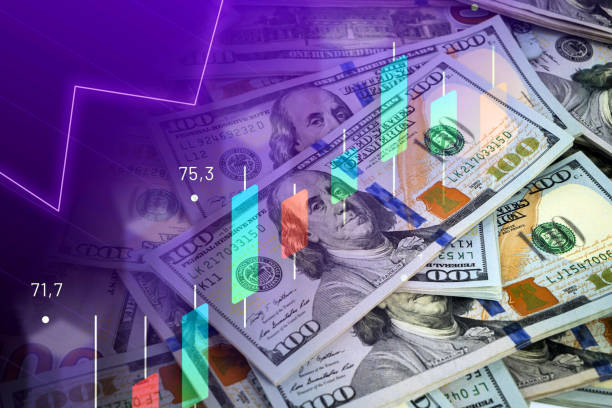
The market is driven by supply and demand, which are influenced by a wide array of factors including interest rates, inflation, geopolitical events, and economic data releases. Central banks play a pivotal role by setting monetary policy, which directly affects currency values. For instance, if the U.S. Federal Reserve raises interest rates, the dollar often strengthens because higher rates attract foreign capital seeking better returns. Conversely, if a country experiences political instability or weak economic growth, its currency may depreciate. Understanding these macro-level drivers is essential for any trader who wants to move beyond guesswork.
Leverage is a key feature of forex trading that beginners must understand thoroughly. Leverage allows you to control a large position with a relatively small amount of capital. A typical retail broker might offer leverage of 50:1, meaning that a one hundred dollar deposit can control a five thousand dollar position. While this amplifies potential profits, it equally magnifies losses. A small adverse move in the exchange rate can erase your entire account if you are overleveraged. Professional traders use leverage sparingly and always manage risk carefully. The best approach for beginners is to start with low leverage, often no more than 10:1, and to focus on preserving capital rather than chasing quick gains.
The forex market is decentralized, meaning there is no central exchange like the New York Stock Exchange. Instead, trading occurs over the counter through a global network of banks, brokers, and electronic communication networks. This structure means that prices can vary slightly between brokers, and liquidity is generally high during major trading sessions. The market opens on Sunday evening in New York and closes on Friday evening, with overlapping sessions in Tokyo, London, and New York providing the most activity. The London session is typically the most volatile because it overlaps with both the Asian and U.S. sessions.
Spreads are another fundamental concept. The spread is the difference between the bid price, which is what you can sell a currency pair at, and the ask price, which is what you can buy it at. Brokers earn money from this difference, known as the bid-ask spread. Major pairs like EUR/USD have tight spreads, often less than one pip, where a pip is the smallest price move for a given exchange rate. Minor and exotic pairs have wider spreads, making them more expensive to trade. Beginners should stick to major pairs initially because of their lower costs and higher liquidity.
Order types are the tools traders use to enter and exit positions. A market order executes immediately at the current price, while a limit order sets a specific price at which you want to buy or sell. Stop-loss orders are critical for risk management; they automatically close a position if the market moves against you by a predetermined amount. Take-profit orders do the opposite, locking in gains at a target price. Without stop-losses, a single bad trade can cause catastrophic losses. Successful traders treat risk management as non-negotiable, often risking no more than one to two percent of their account on any single trade.
Finally, beginner traders must understand that forex is not a get-rich-quick scheme. It requires discipline, continuous learning, and a methodical approach. Many newcomers lose money because they trade emotionally, overtrade, or fail to keep a trading journal. The most profitable traders are those who treat forex like a business, analyzing their trades, tracking their mistakes, and refining their strategies over months and years. Demo accounts, which simulate real market conditions with virtual money, are invaluable for practicing without financial risk. Only after achieving consistent results on a demo account should a beginner consider trading with real capital.